
A Coremo Solution for Underdeck Marine Environments
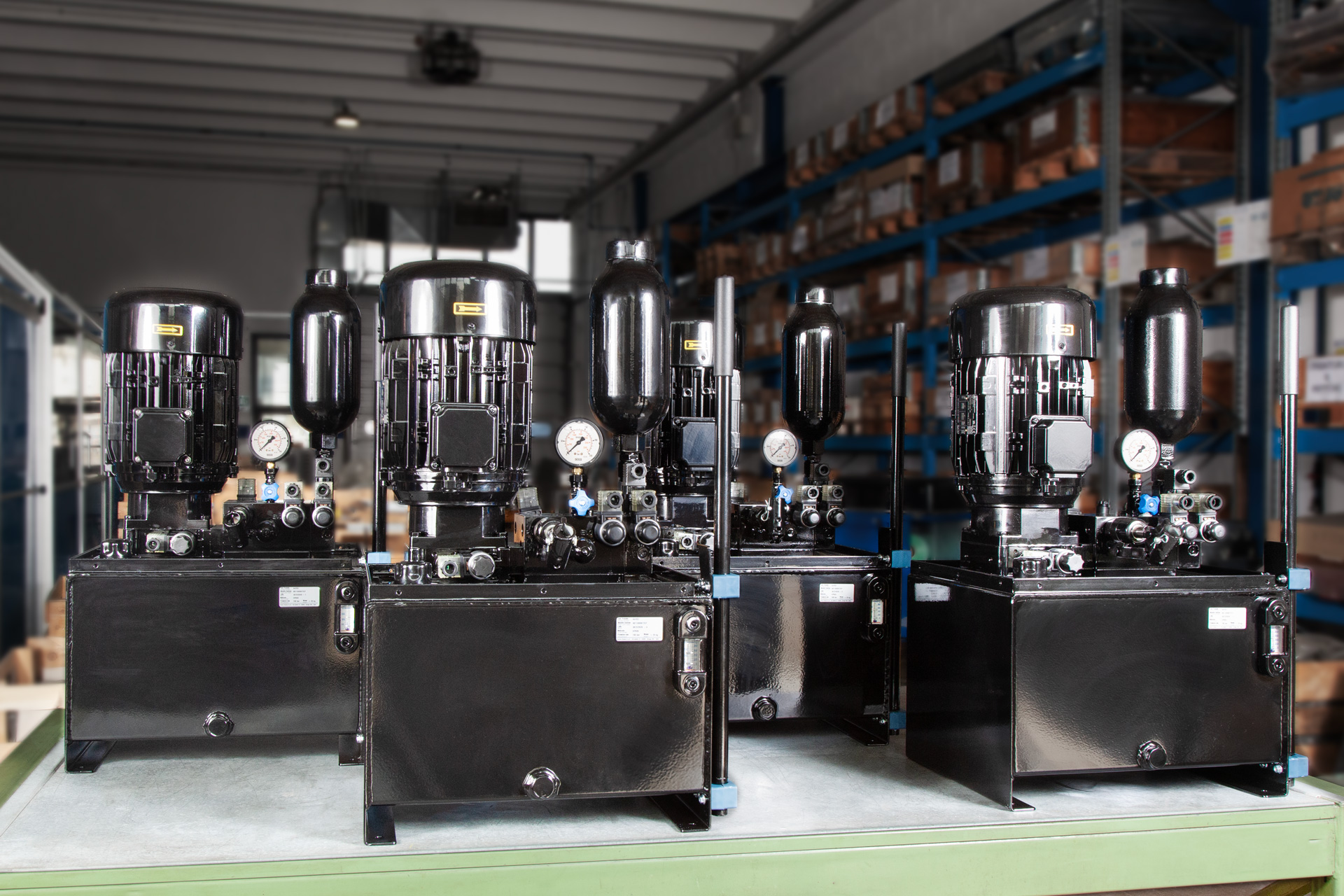
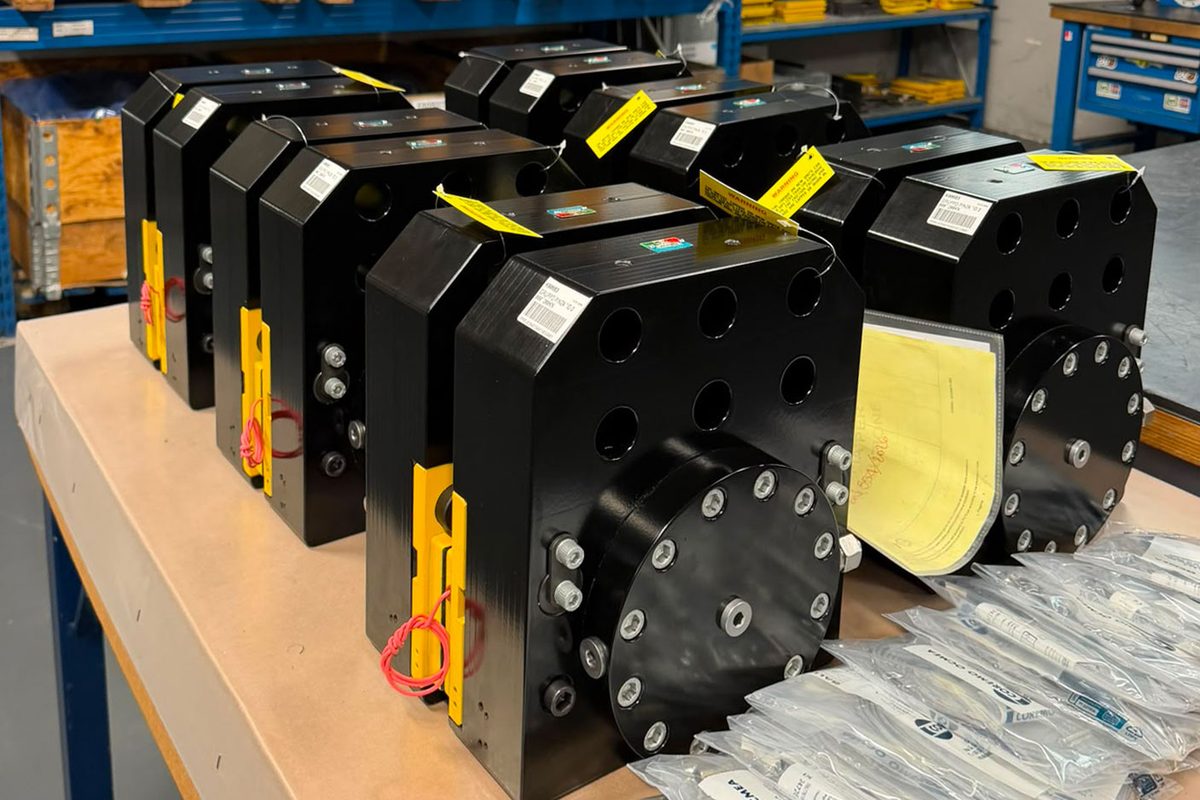
The ID 2000-200hydraulic brakesand theHP-P4 hydraulic power units complete a braking system developed by Coremo for a customer operating in the marine sector. Designed for the static holding of propeller shafts, the system will be installed inside the engine room, in an environment protected from direct exposure to UV rays, rain and seawater.The project covers four propulsion groups, each consisting of three propeller shafts equipped with an ID 2000-200 positive hydraulic brake, providing a clamping force of 262.5 kN. The brakes are controlled by two HP-P4 hydraulic power units per propulsion group, bringing the total supply to 12 brakes and 8 hydraulic power units.
The order acquisition process of approximately one year, it was marked by intensivetechnical cooperationwith the customer. The initial phase focused on collecting application and environmental data, which were used to calculate the required braking torque, define the system configuration and establish the appropriate level of protection to ensure long-term operational reliability and safety.Braking performance, hydraulic power unit configuration and surface finishes were therefore defined according to the actual requirements of the application.
Painting and Surface Treatments for Brakes and Hydraulic Power Units
The surface protection of the brakes and the hydraulic power units was defined in consideration of the underdeck marine environment and the specific installation conditions.
For the brakes, a semi-gloss black epoxy coating, RAL 9005, was selected. To improve paint adhesion and provide a first hard level of corrosion resistance, the coating process included a zinc phosphating treatment followed by passivation. An epoxy anti-corrosion primer was then applied, followed by the final epoxy enamel coating. This multi-stage process contributes to improving the overall corrosion resistance of the brakes.The screws and bolts feature a zinc-aluminium-based protective coating, Geomet.For this order, the HP-P4 hydraulic power units were fully painted using a protective coating designed forC5-M environments.
ID 2000-200 Positive Hydraulic Brakes: Required Torque for Holding (Static Braking)
The ID 2000-200 positive hydraulic brakes were selected for aholding application, with a required torque of approximately 31 kNm per brake.
The selected ID2000-200 brake provides a max clamping force of 262.5 kN. It is a direct-acting positive hydraulic brake consisting oftwo independent bodies. The braking torque can be adjusted by varying the supply pressure, up to 200 bar, allowing brake performance to be matched to the specific requirements of the application.
Based on the operating conditions specified by the customer, Coremo'sST12.2 friction material was selected. This material has been developed for static holding applications.
The brakes were supplied complete withON/OFF inductive sensors, which provide an immediate indication of the brake status, detecting whether the pads are in contact with the disc or in the released position.
HP-P4 Hydraulic Power Units: Safety, Redundancy and System Configuration
The HP-P4 hydraulic power units were selected to operate the braking system and were configured and calibrated according to the requirements of the connected brakes (size and quantity).
The minimum and maximum pressure switches, together with the accumulator pre-charge pressure, were setaccording to the pressure values required for brake operation.
Each HP-P4 hydraulic power unit comprises a 35-litre oil tank, a 5.5 kW electric motor coupled to a 4.2 cc/rev gear pump, a 1.5-litre accumulator, a hydraulic control manifold and an additional hand pump.
The accumulator assists the gear pump in reaching the required operating pressure and helps maintain circuit pressure in the event of minor internal leakage, thereby supporting the continuity of system operation.
Particular attention was paid to the safety and redundancy of the hydraulic circuit.
The hydraulic power units are equipped with asafety relief valve set to the maximum permissible circuit pressure, together with a second, redundant pressure relief valve. If the pressure exceeds the set value, the valves intervene to limit circuit pressure and protect operators and components against potential hazards and damage.In hydraulic power unit configurations designed for positive brakes, such as the one supplied for this project, two normally closed (NC) valves are also installed in parallel.
This arrangement provides redundancy in the circuit's pressurisation and depressurisation functions.The hydraulic power unit can also be configured with two normally open (NO) valves arranged in series.
This flexibility allows the hydraulic circuit to be adapted to the specific operating requirements of the application and the safety requirements of the overall installation.
Customisation of Coremo Hydraulic Power Units
Coremo hydraulic power units can be configured and customised to meet the specific requirements of each application, with options covering components, operating logic, control systems and surface protection.
Upon request, alternative valve configurations can be provided. Analogue or digital indicators can also be incorporated to monitor oil level and temperature, and components can be selected to meet the customer's specifications.
The configuration may include, for example, UL-certified electric motors or components from a specific manufacturer.
Coremo can also supply a control panel developed according to the control logic agreed with the customer, providing a complete hydraulic solution tailored to the characteristics of the application.
Other Coremo Braking Solutions for Marine, Offshore and Low-Temperature Environments
The system described above represents one of the configurations developed for the marine sector. However, protection and operating requirements can vary considerably when equipment is exposed to more severe environmental conditions.
Coremo also develops braking solutions for offshore applications and environments withtemperatures as low as -40°C. The product range includes configurations designed to meet specific environmental requirements. The OS series of hydraulic brakes is designed for offshore applications, with corrosion resistance verified through external testing and performance meetingC5-M requirements.
The VL series, on the other hand, has been developed for applications involving extreme low temperatures, down to -40°C.
The XT series combines both characteristics, making it suitable for offshore environments and low-temperature applications.
Depending on the project requirements, specific anti-corrosion treatmentsmay be applied, including the use of stainless-steel components and zinc-nickel-coated parts, as well as aluminium components treated with hard anodising and epoxy coating.These solutions extend the range of operating environments in which Coremo braking systems can be used, maintaining a consistent balance between required performance, component protection and environmental conditions.